
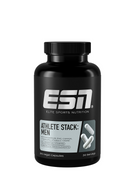





Vitamine D3
Vitamin D3 is a fat-soluble form of vitamin that the body produces under the influence of sunlight and that is commonly used for daily vitamin D supplementation.
Your Cart
Only €49,00 left until free shipping!
Shipping costs within France: €4,90
Vitamin D3+K2 Depot
Power duo for strong bones and more - with vitamin D3 and K2 depot
Vitamin D3+K2 Depot
Power duo for strong bones and more - with vitamin D3 and K2 depot
Vitamin D3+K2 Depot
Power duo for strong bones and more - with vitamin D3 and K2 depot
Discover our categories
 >76,000 5-star reviews
 Lab-tested quality
 Scientifically developed
 >76,000 5-star reviews
Lab-tested quality
Scientifically developed
>76,000 5-star reviews
Lab-tested quality
Scientifically developed

| Scientifically based combination of vitamin D3 & K2 | |
| High-dosed with 5,600 IU vitamin D3 & 200 µg vitamin K2 MK-7³ | |
| Supports the immune system (D3), muscles (D3) & bones (D3 + K2)¹² | |
| With depot effect – 1 capsule every 3 days | |
| Compact capsules for easy intake | |
Vitamin D3 is a fat-soluble form of vitamin that the body produces under the influence of sunlight and that is commonly used for daily vitamin D supplementation.
All batches undergo independent laboratory testing to confirm safety, accurate ingredient information and the highest quality standards. Performance begins where trust is built.


> 80,000 tests per year
Developed by experts
FSSC 22000 & HACCP certified
Optimize your training with these combined products.
€22,90
All reviews that comply with our guidelines are published, regardless of whether they are positive or negative. Product reviews may only be submitted by persons who have purchased the product on esn.com and used it themselves. Reviews can only be submitted via a personal invitation sent by email.
Learn more about the product here.
Do not exceed the stated daily intake. Food supplements are not a substitute for a balanced and varied diet andhealthy lifestyle. Store out of reach of young children.


 Hi, looks like you're in France